
Recycling light bulbs

Plastic plant pots

Can plastic plant pots be recycled at home?

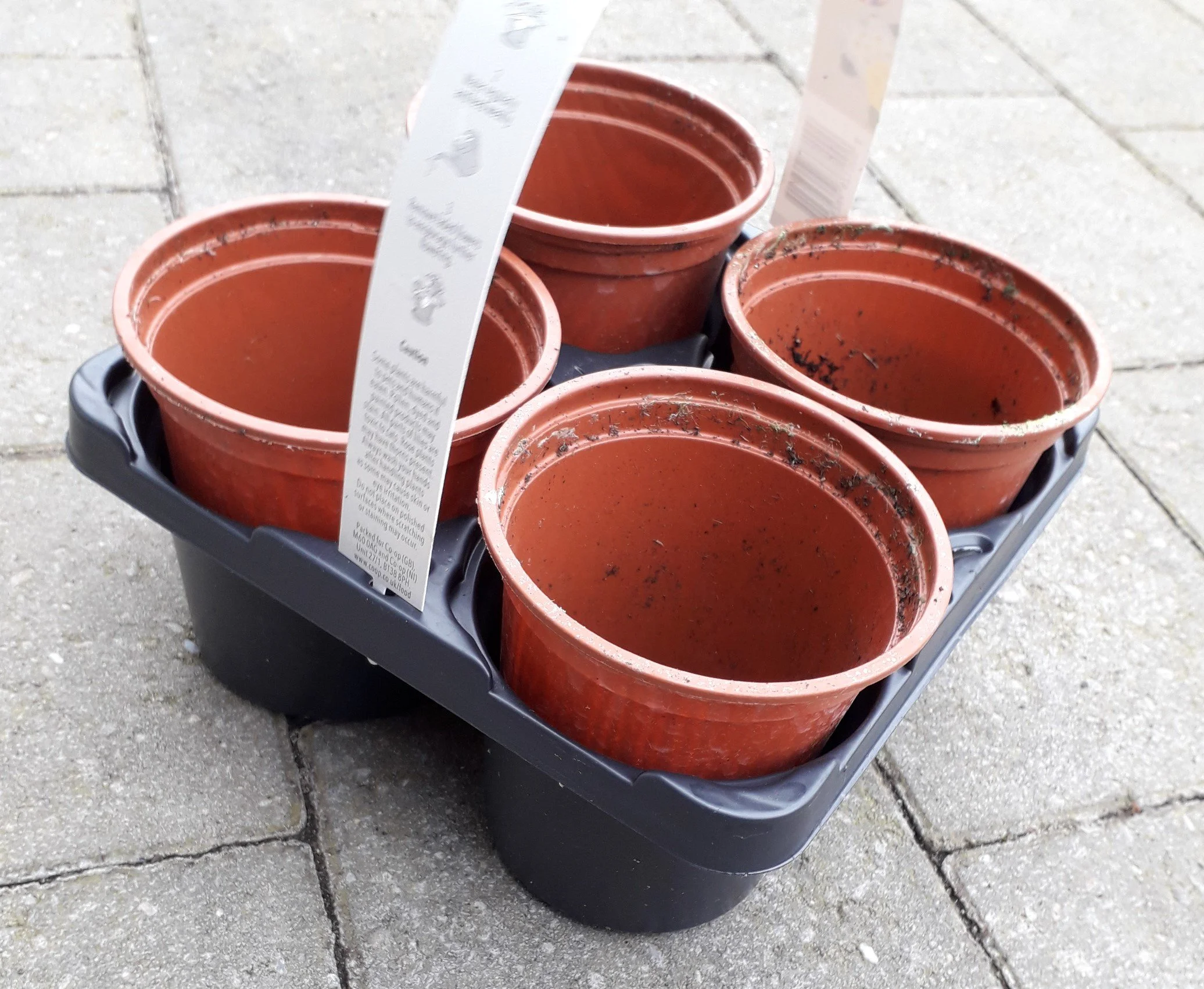
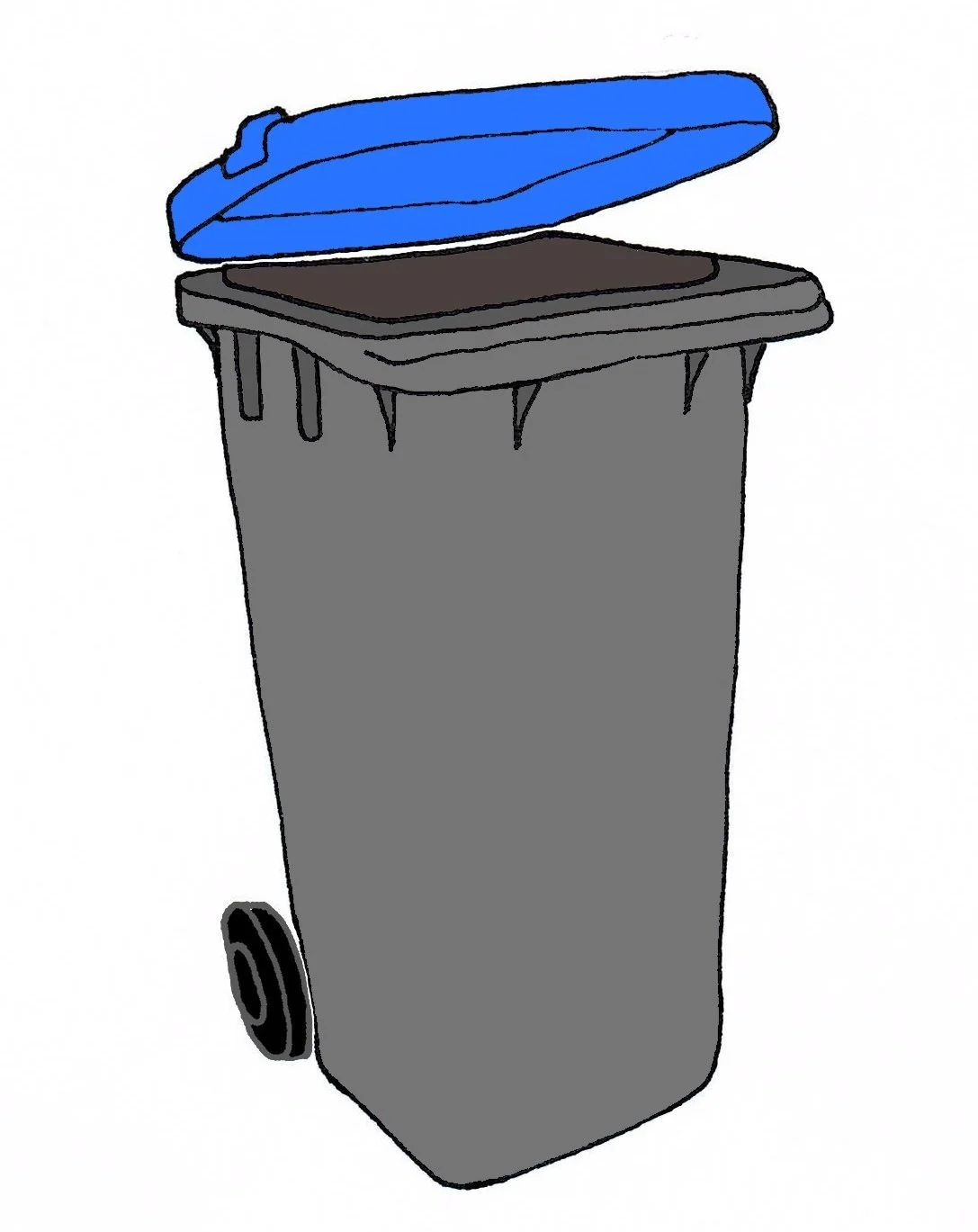
Yes, they can from 1st June. Non-black plastic plant pots and trays with a minimum size of 40mm x 40mm can now be recycled in your blue top kerbside collection at home.

Please ensure that the plant pots are clean and dry (no soil or compost) and are placed in your recycling bin loose, not stacked inside each other.
Please do not throw in any made of PE, PET, or PP and these cannot be recycled.

Why do the plastic plant pots need to be clean?

All items placed in your recycling bin must be clean; shake out and remove any soil or compost from the plant pots, rinse, before recycling them. Plastic plant pots that have left over soil or compost can ruin the quality of other items in your recycling bin. This can then in turn spoil the recycling in the recycling lorries and at the materials recycling facility.

Recycling-at-garden-centre.jpg

How else can plastic plant pots be recycled or reused?

Plastic plant pots are great for replanting in your garden or donating to community groups or gardens. They can also be recycled through garden centre take-back schemes in West Sussex (most major garden centres have a recycling/reuse point – ask in garden centre as they are not always in an obvious location). Also, B&Q have a plastic plant pot recycling scheme.


Light bulbs and florescent lamps

What we call a light bulb, is referred to as a lamp by the lighting industry. Compact fluorescent lamps (CFLs) are low energy light bulbs. Compact LED bulbs can look very similar to CFLs, this means you can change to LEDs without having to change your light fittings. CFL’s use up to 80% less energy than old fashioned incandescent bulbs, but to do this, they need a small amount of mercury which is why they can’t be thrown away in your Kerbside bins.

The typical amount of mercury in a lamp is between 1.2 to 4mg, and in a domestic compact florescent lamp (CFL) this equates to the tip of a ballpoint pen. The mercury in one CFL is not enough to pose a health risk but they do need to be disposed of responsibly to reduce the risk of large quantities of mercury ending up in landfill.

In the UK, the collection and recycling of fluorescent lamps is compulsory under the Waste Electrical and Electronic Equipment (WEEE) Directive. If we all recycle, we can protect our environment, and the mercury, glass and metal can be reused. If you want to know how, have a look at: www.recolight.co.uk How can we recycle? Save up your light bulbs and tubes and take them with you next time you are making a journey to your council recycling centre (AKA The Tip!).

Some electrical retailers offer a recycling service. Robert Dyas is one, but I am sure there are others. When you buy your next light bulb do ask if they offer a recycling scheme.